
Why Is Hiring a Professional Building Contractor in Kenya So Important?
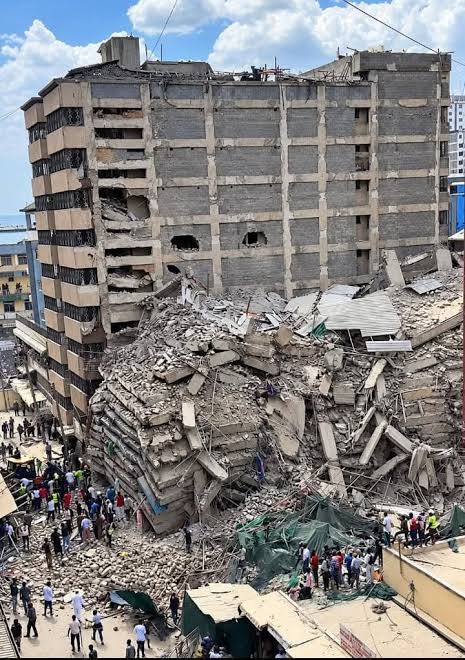
The recent collapse of an 18-storey building under construction in Eastleigh, Nairobi, on 23 October 2026, has raised important questions about building safety and construction practices in Kenya. While investigations are needed to establish the exact cause of the incident, it serves as a reminder of the importance of proper planning, qualified professionals, regulatory compliance and effective site supervision.
For anyone planning to build a home, commercial property or institutional facility, choosing a contractor is one of the most important decisions to make. The right construction partner can help you manage costs, maintain quality, coordinate the different stages of construction and ensure that the project follows approved plans and applicable regulations.
This article explores why hiring a professional building contractor in Kenya matters, what to consider when choosing one, and how Dancom Construction Limited can help you approach your next construction project with quality and confidence.
1. Building Safety Starts with Proper Planning
Every successful construction project begins long before the first foundation is laid. It requires careful planning, appropriate designs, suitable materials and coordination among the professionals responsible for the work.
A professional building contractor works with the relevant architects, structural engineers, quantity surveyors and other qualified specialists to ensure that construction follows the approved designs and specifications.
Structural elements such as foundations, columns, beams and slabs must be constructed according to the relevant engineering designs. Changes to approved plans should be assessed and authorized by the appropriate professionals rather than made informally on site.
Although no contractor can guarantee that every risk will be eliminated, proper planning, competent supervision and adherence to approved designs help reduce avoidable construction risks.
2. Compliance with Kenyan Construction Regulations
Construction in Kenya involves regulatory requirements that property owners and developers should understand before work begins. These may include approvals from the relevant county government, applicable National Construction Authority (NCA) requirements, building standards and other project-specific obligations.
Working with a contractor whose registration and qualifications are appropriate for the project helps you establish a clearer path towards compliance.
Before engaging a contractor, ask for their registration details and verify them with the relevant authorities. You should also establish who will be responsible for obtaining approvals, coordinating inspections and maintaining the required project documentation.
Compliance should not be treated as paperwork to complete after construction. It is an important part of planning and delivering a building responsibly.
3. Quality Workmanship and Suitable Building Materials
The quality of a building depends on more than its appearance. Materials must be suitable for their intended use, and workmanship must meet the required specifications throughout construction.
A professional building contractor helps coordinate material procurement, checks deliveries against project requirements and supervises work to ensure that it follows the approved specifications.

This applies to every stage, from excavation and foundation works to masonry, concrete works, roofing, plumbing, electrical installations, tiling and finishing.
Using cheaper materials without considering their suitability can lead to defects, costly repairs and delays. The goal should be to achieve value for money without compromising the quality and safety requirements of the project.
4. Better Cost Control and Project Management
Construction projects involve several moving parts, including labor, materials, equipment, specialist subcontractors, approvals and delivery schedules. Without proper coordination, costs can rise and timelines can slip.
An experienced contractor helps organize these activities through planning, budgeting, procurement coordination and regular progress monitoring.
Before work begins, ensure that you have a clear scope of work, an agreed quotation, a payment schedule and an understanding of how variations will be handled. Ask for updates on progress, expenditure and any issues that may affect the original plan.
A professional approach does not mean that unexpected costs or delays will never occur. It means that potential challenges are managed transparently, with decisions documented and communicated to the client.
5. Effective Site Supervision and Coordination by Contractor
Construction requires close coordination between the people working on site. If tasks are poorly supervised or carried out in the wrong sequence, the result may be rework, wasted materials, delays or defects.
Professional site management helps ensure that workers understand their responsibilities, work is carried out according to the approved plans and any concerns are referred to the appropriate specialists.
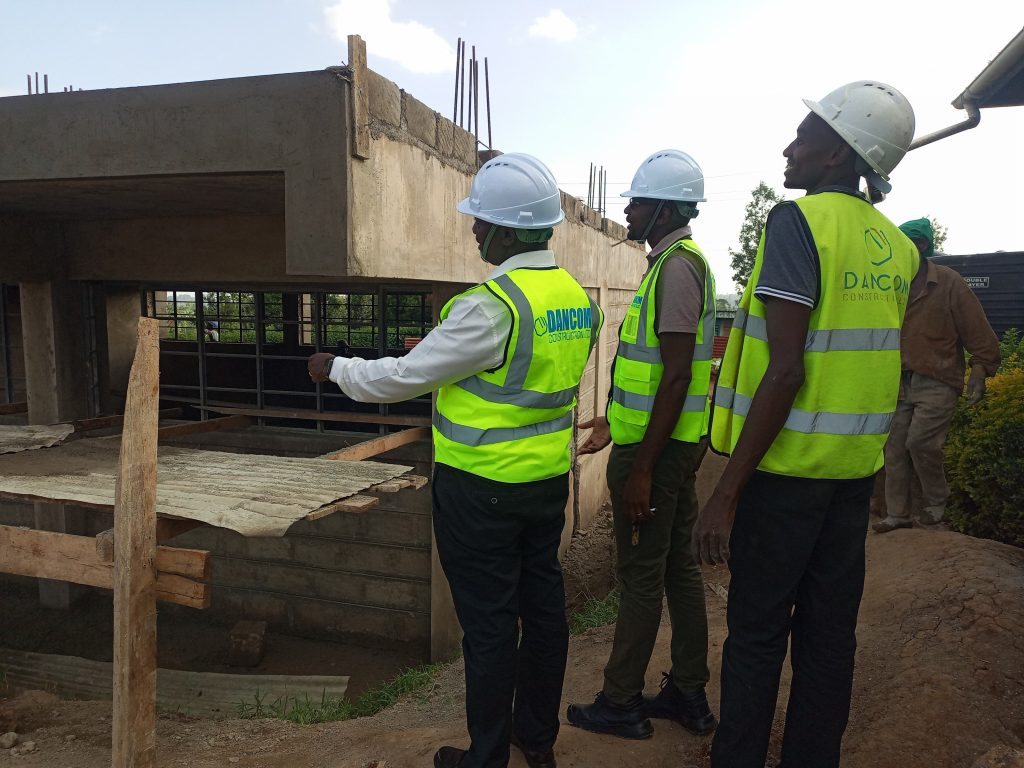
Site supervision also supports the implementation of health and safety measures, including the use of suitable protective equipment, safe access routes and appropriate procedures for working at height or handling construction materials.
Property owners should ask how frequently site inspections will take place, who will supervise daily activities and how technical concerns will be reported and resolved.
6. Protecting Your Investment for the Long Term
A building is a significant financial investment. Whether you are constructing a family home, rental apartments, offices, classrooms or a commercial facility, poor construction decisions can have consequences long after the project is completed.
Defects, water leakage, premature deterioration and poorly installed services can result in additional maintenance expenses. Inadequate planning can also affect how effectively a building serves its intended purpose.
Choosing a professional contractor helps you establish clear expectations for workmanship, materials, documentation and project delivery. It also gives you a point of coordination for addressing issues that arise during construction.
Before signing an agreement, clarify the expected completion period, payment terms, defect rectification arrangements and any applicable warranties or guarantees.
7. How to Choose the Right Building Contractor in Kenya
Not every contractor is suited to every project. Before making a decision, take time to assess the contractor’s experience, credentials and approach to managing construction work.
Here are some important considerations:
- Verify registration and credentials: Check the contractor’s registration and the relevant project requirements with the appropriate authorities.
- Review previous projects: Ask to see completed or ongoing projects that demonstrate experience relevant to your own.
- Request a detailed quotation: Confirm what is included, what is excluded and how variations will be priced.
- Understand the project team: Establish who will handle site supervision and how the contractor will coordinate with the relevant technical professionals.
- Discuss quality and safety procedures: Ask how materials, workmanship, site safety and compliance will be monitored.
- Check references: Where possible, speak to previous clients about communication, reliability, workmanship and project delivery.
- Use a written contract: Ensure that the scope, costs, timelines, payment terms and responsibilities are clearly documented.
Do not base your decision on price alone. A quotation that appears cheaper at the beginning may not represent the best value if important work has been excluded or quality requirements are unclear.
8. Why Work with Dancom Construction Limited?
At Dancom Construction Limited, we understand that every construction project represents an important investment for our clients. Our approach focuses on quality workmanship, proper coordination and delivering solutions that meet the intended needs of each project.
Our services cover residential and commercial building construction, civil works, renovations, boundary walls, cabro paving and other building-related works. We also undertake projects involving roofing, tiling, painting, plumbing, drainage, electrical installations and finishing works, depending on the project requirements.
Whether you are planning a new building, improving an existing property or developing an institutional facility, we work to understand your requirements and coordinate the construction process around the agreed scope of work.

We encourage clients to ask questions, understand their project documentation and remain involved throughout construction. Clear communication between the client and the project team helps everyone work towards the same objectives.
If you are looking for a construction company in Nairobi or elsewhere in Kenya, take time to discuss your project, review the proposed scope and establish the requirements before work begins.
Make an Informed Choice Before You Build
The Eastleigh building collapse is a serious reminder of why building safety and responsible construction practices deserve attention. The exact circumstances of the incident must be established through the appropriate investigations, but the wider lesson for property owners remains important: construction decisions should be based on competence, planning, compliance and accountability.
Hiring a professional building contractor in Kenya can help you coordinate qualified specialists, maintain construction standards, manage costs and protect your investment. Before committing to a project, verify credentials, review previous work and ensure that your agreement clearly defines responsibilities and expectations.
Planning to build, renovate or improve your property?
Contact Dancom Construction Limited to discuss your construction needs and explore a practical approach to your project.
Call/WhatsApp: +254 759 408 324
Email: info@dancomconstruction.com
Website: www.dancomconstruction.com
Build with a plan. Choose quality. Make informed construction decisions.