
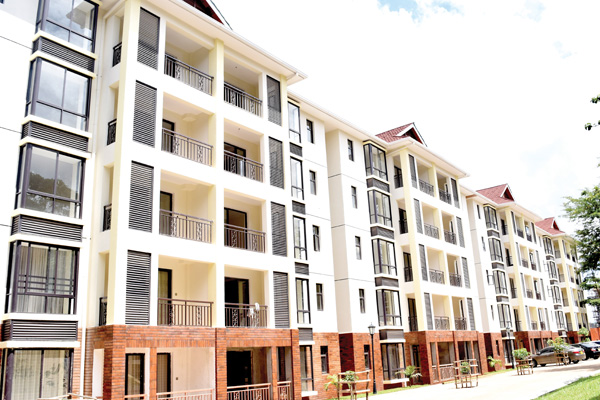
What Does 500,000 Affordable Housing Units in Kenya Mean?
The Kenyan government’s commitment to delivering 500,000 affordable housing units is a bold move aimed at addressing the housing deficit and enhancing economic growth. But is this an achievable target, or is it overly ambitious? According to the Daily Nation, the government’s plan includes implementing subsidy programs, credit facilities, and the use of innovative construction technologies to lower housing costs. This strategy aims to reduce manufacturing costs and boost local production, creating jobs and stimulating the economy.
The Economic Impact of Affordable Housing Construction in Kenya
Research highlights the potential of affordable housing to stimulate economic growth. By providing equitable housing, moderate-income households can increase their consumer spending, which circulates capital and generates new local revenue streams. Additionally, the construction of affordable housing creates job opportunities, fostering economic development at both local and national levels.
What is Affordable Housing: Local vs. Global Perspective
Affordable Housing in Kenya
Locally, affordable housing refers to units that are accessible to households with income levels below the median. Given the growing demand, it is the government’s responsibility to create policies and regulations to make housing affordable. This includes offering subsidies to reduce unit costs by 20% compared to market rates and facilitating public-private partnerships for sustainable housing development.
Affordable Housing in Australia
In Australia, the National Affordable Housing Summit Group (NAHSG) defines affordable housing as “reasonably adequate in standard and location for lower- or middle-income households,” ensuring it does not consume so much of a household’s income that it impacts their ability to meet other basic needs.
Affordable Housing in the UK
In the UK, affordable housing encompasses both social rented and intermediate housing options provided to eligible households whose needs are not met by the market.
Key Considerations for the Kenyan Affordable Construction of Housing Project
For Kenya’s affordable housing initiative to succeed, two primary factors must be considered: housing standards and affordability.
- Housing Standards: The use of efficient building techniques is essential to avoid overcrowding and poor design. Basic infrastructure such as sewer lines, water supply, roads, and electricity must be part of the development plan to prevent future issues.
- Affordability: Housing prices and loan rates should be manageable for salaried employees, with a focus on avoiding burdensome debt. The current mortgage interest rate in Kenya stands at 17.1%, and the average mortgage size is USD 81,717. This highlights the need for affordable options for potential homeowners.
Challenges in Mortgage Accessibility and Interest Rates
As of September 2016, the lowest interest rate on mortgages in Kenya is 17.1%, with a minimum 10% down payment. However, the average mortgage size remains high, making it difficult for many Kenyans to afford homeownership. The cheapest newly built house, according to the Centre for Affordable Housing Finance (CAHF), is USD 15,753 for a 30 square meter unit. This pricing makes it difficult for many to access homeownership.
Policy Reforms to Support Affordable Housing
Mehnaz Safavian, a Lead Financial Sector Specialist, suggests several key reforms to make housing more affordable in Kenya. These include:
- Standardization of Mortgage Contracts: Streamlining mortgage agreements to make them more accessible to a wider audience.
- Regulations for Mortgage Foreclosure: Creating a clear legal framework for handling mortgage defaults.
- Development of Mortgage-Backed Securities: Establishing mechanisms to raise capital for long-term housing projects.
- Support for Cooperatives and SACCOs: Encouraging cooperative organizations and SACCOs to help finance housing.
The Housing Deficit in Kenya and the Big Four Agenda
Kenya currently faces a significant housing deficit, with a cumulative shortage of 2 million units growing by 200,000 units annually. This shortage is driven by rapid population growth and high urbanization rates, outpacing the supply of affordable homes. The Ministry of Housing estimates the annual supply at 50,000 units, but 83% of the existing housing caters to high-income segments, leaving only 17% for the low- to middle-income groups.
Learn more on wall construction in Kenya.
Addressing Kenya’s Housing Crisis
While Kenya’s affordable housing goal is ambitious, it is crucial to consider the ongoing challenges of affordability, supply, and financing. With the right policy reforms, collaboration with the private sector, and innovative construction techniques, Kenya can make significant strides toward meeting the demand for affordable housing and boosting its economy in the process.
We can conclusively state therefore that with collective housing policy and regulations setting, enabling manufacturing environment, Public-private partnerships, political goodwill and subsidized housing financing solutions the 500,000 housing projection is achievable.
